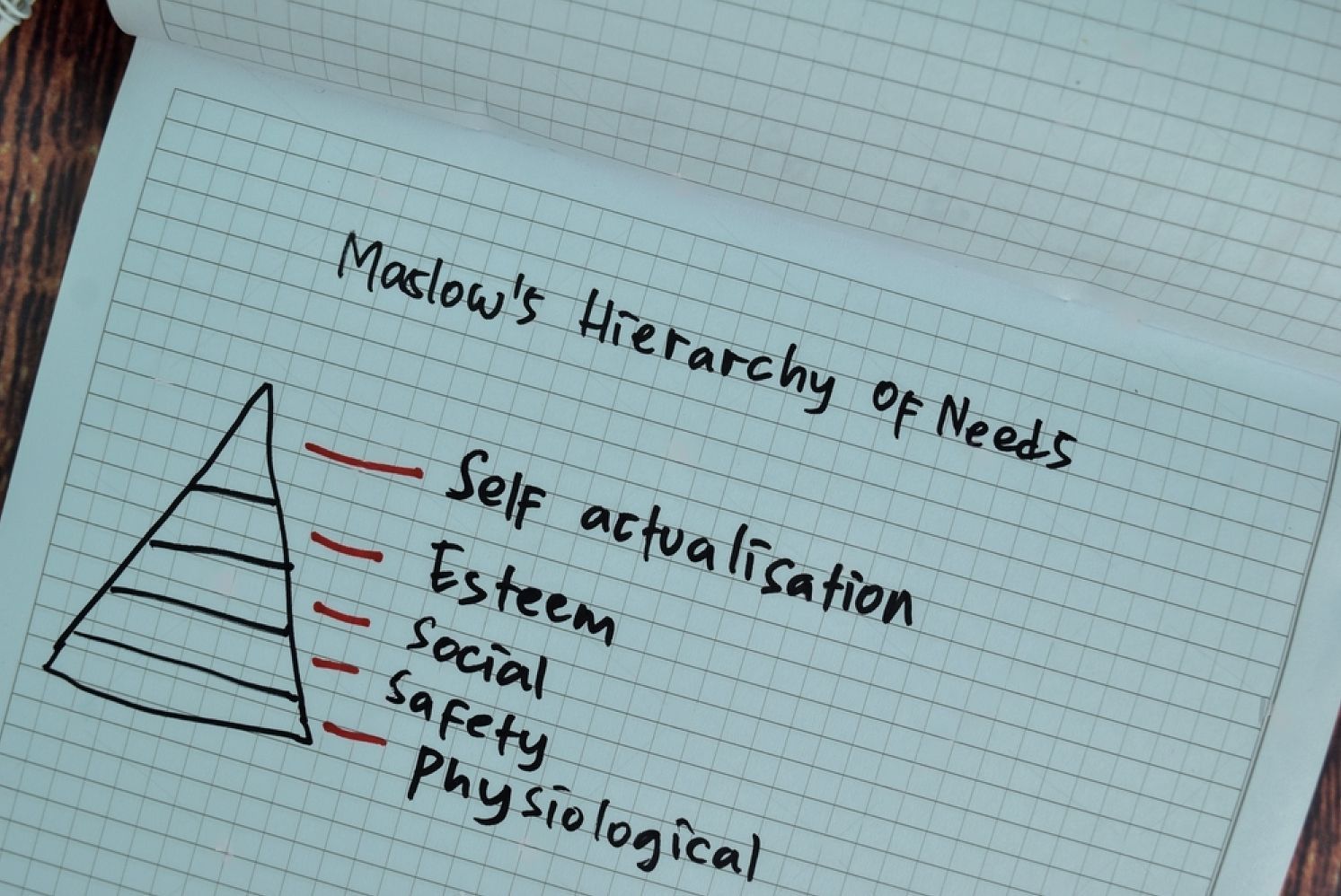
Unlocking Financial Success: The Seven Stages of the Generational Wealth Model™
The Seven Stages of the Generational Wealth Model
To successfully reach your financial goals, whether that is improving your spending habits or creating lasting wealth for future generations, it all starts by identifying one's past and current financial traumas, anxieties, and behaviors. The first step to making financial well-being possible is to craft and navigate a plan. Therefore, creating prosperity and security without taking self-inventory and working through one’s past will require you to participate in mental gymnastics that can hinder your ability to create a GPS towards prosperity and security. Working through this financial ecosphere can begin the incremental change in your existing money story.
So how do you do this?
Unfortunately, when it comes to rewriting your money story, many financial models fall short. They provide you with some structure to follow as you move forward; however, these financial models are, for the most part, unable to meet you where you are while retrospectively reviewing events and environments that make up your financial genetic code.
That’s where the Generational Wealth Model changes the landscape and makes sustainable financial well-being and generational wealth for future generations accessible to everybody. The Generational Wealth Model walks you through seven stages that lead to creating generational wealth that you can strategically allocate for future generations.
The Generational Wealth Model addresses the accumulation of knowledge and assets, establishing a basis of financial stability and prosperity that can support your family for long-term sustainability for generations. In today's always-changing economic landscape, having a systematic approach to building and preserving wealth is more crucial than ever. By understanding and implementing the Generational Wealth Model, you can break the cycle of financial struggle, safeguard your assets, and pass on a robust financial foundation to your descendants.
In this second installment of my five-part series, I will explore the seven stages and discuss why each is important to your overall financial well-being and journey to generational wealth.
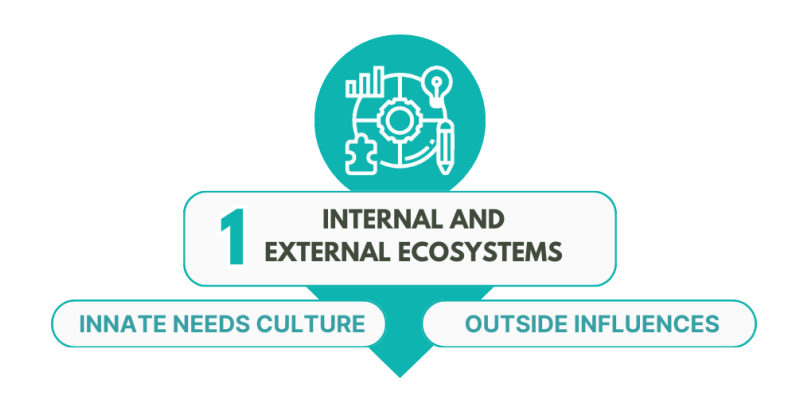
Stage 1: Your Internal and External Ecosystem
The first stage in the Generational Wealth Model is understanding your existing internal and external ecosystem around money. This step is crucial for unraveling your current money mindset and behaviors because it’s much more challenging to move forward without understanding your existing financial belief system.
This stage is when you begin deconstructing the cultures and influences of your internal ecosystem, exploring how family traditions, personal beliefs, and emotional experiences have shaped your attitudes toward money. I refer to this stage as “Walls In.” Understanding these internal influences, one can identify the deep-rooted motivations and fears that drive your financial decisions.
In this stage, one should consciously emphasize and examine one’s socioeconomic factors, including, but not limited to, education, health care, public policy, and environment, which I refer to as “Walls-Out.” The opportunity to thoroughly review and examine the socio-economic factors that impact one's financial habits is paramount.
It is critical to consider the broader economic conditions you have been exposed to and how they have influenced your approach to saving, spending, and investing. Your money management education, whether from school, mentors, or personal experiences, also plays a role in your money story (I refer to your initial financial fiduciaries as mentors).
Your external ecosystem also includes the environment that has surrounded you, including the communities you've been part of, societal norms regarding wealth, healthcare, education, poverty, and public policy in collaboration with the influence of media and your peers. By understanding these external influences and how they affect your beliefs and feelings about money, you will better understand the areas you need to address to heal and reprogram your Financial Genetic Code.
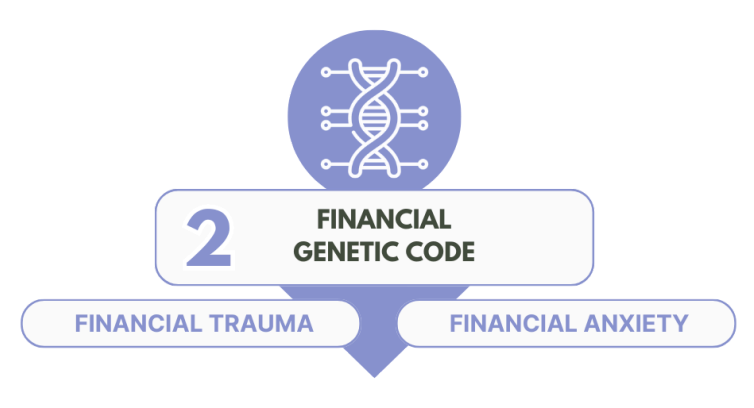
Stage 2: Your Financial Genetic Code
The second stage of the Generational Wealth Model is about understanding your financial DNA – your Financial Genetic Code– created as a byproduct of those internal and external factors in the previous step. It’s essential to work through Stage 1 to grasp what conditions make up your financial genetic code so that you can truly understand it going forward.
Once you understand the factors that make up your financial perspective, you can understand how that presents itself in how your brain is currently wired around money. Beliefs, traumas, or anxieties around money are part of your predisposed behaviors.
Your financial genetic code includes all the traumas and anxieties about yourself and your financial journeys.
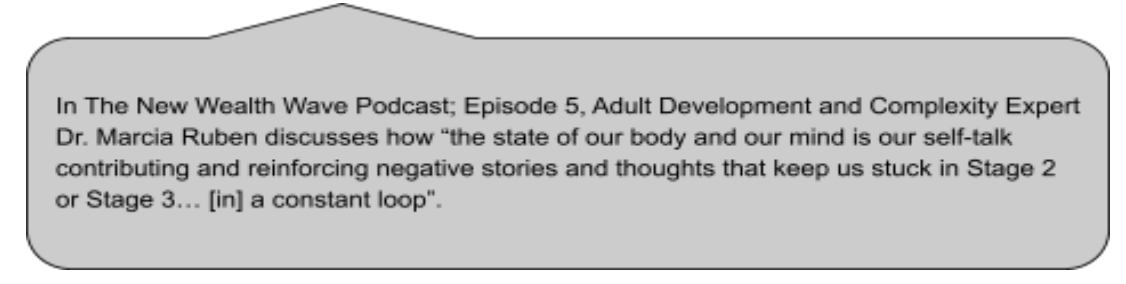
This stage is crucial because once you can understand your existing financial genetic code, you can begin escaping the loops that confine your growth.
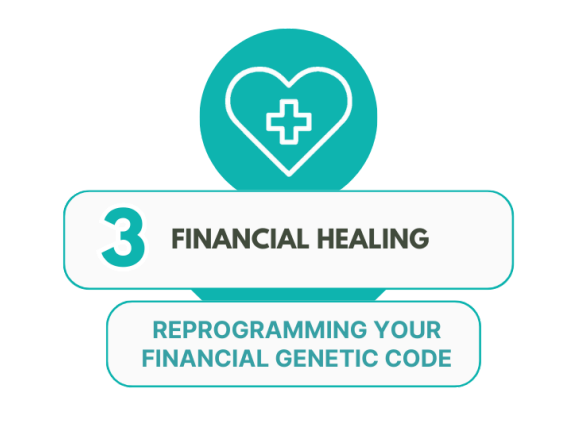
Stage 3: Financial Healing/Reprogramming Your Financial Genetic Code
The great thing about your financial genetic code or financial blueprint is that it can be rewired. Dr. Marcia Ruben talks about neuroplasticity and how your brain can be changed. While it’s easy to believe that your brain is just the way it always will be, you can change the thought patterns that make up your existing behaviors, and that’s what Stage 3 is all about.
This stage is about reprogramming your Financial Genetic Code to align with your goals and aspirations for the future, instead of your past experiences and traumas. Reprogramming your financial blueprint and healing the emotional, psychological, and behavioral aspects of your relationship with money allow you to move on to the following stages of the model and remove yourself from the loops you have been stuck in.
Since our brains are designed to create habits, we must put in the necessary work to create a mindset that positively predisposes us to make the right choices going forward, and that’s what sets the foundations for long-term financial success.
Stage 4: Financial Edification
Once your financial genetic code is successfully reprogrammed, you are better positioned to move forward without the constant fear of reverting to your previous financial behaviors.
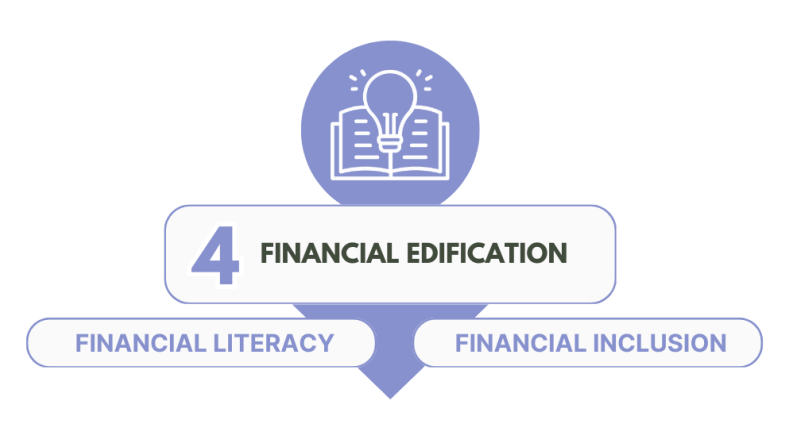
The next stage of the Generational Wealth Model is Financial Edification, which involves building the foundations of financial literacy and understanding financial inclusivity to become more aware of the tools and opportunities that can create financial prosperity in the following stages. This stage allows anyone, regardless of background, to participate in the programs and opportunities that create long-standing wealth.
By combining financial literacy with an understanding of financial inclusion, you can develop a comprehensive understanding of finances while also considering ethical and inclusive practices. This approach allows you to adopt a new, empowering perspective as you move forward.
Stage 5: Financial Well-Being
This next stage is where the fun starts. Financial Well-Being is the culmination of the previous self-reflection and mindset work. It is where you enjoy a sense of security and balance beyond your bank balances.
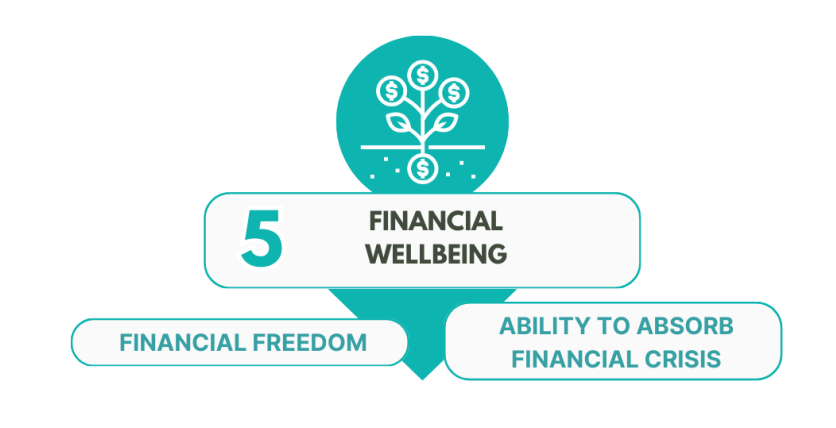
Having completed the necessary work to heal from your financial struggles, you are now armed to build a more secure and prosperous future. In this stage, you can now create systems that allow for financial freedom and provide resilience in the face of future financial challenges.
Financial well-being is a profoundly personal concept, so it means something completely different from one individual to another. Consider this your soft landing, where you do not want to outlive your income. Some have longer runways than others; however, eventually, we must all realize that we will subsequently retire either forcedly or voluntarily. Therefore, stage 4 is hypercritical to realize your financial well-being.
Stage 5 is dedicated to helping you navigate this unique landscape by creating the foundations for your financial well-being. Whether that be by setting up emergency funds, creating a sustainable budget, or investing wisely for the future, the focus is on equipping you with the tools and strategies needed to achieve your financial goals.
Stage 5 also strengthens your financial position and safeguards against unforeseen financial crises. By implementing solid financial systems and practices, you can weather storms and remain on your path to long-term financial security and prosperity. In conclusion, financial health is as essential as financial wealth to some degree; as the adage suggests, “Health is Wealth.”
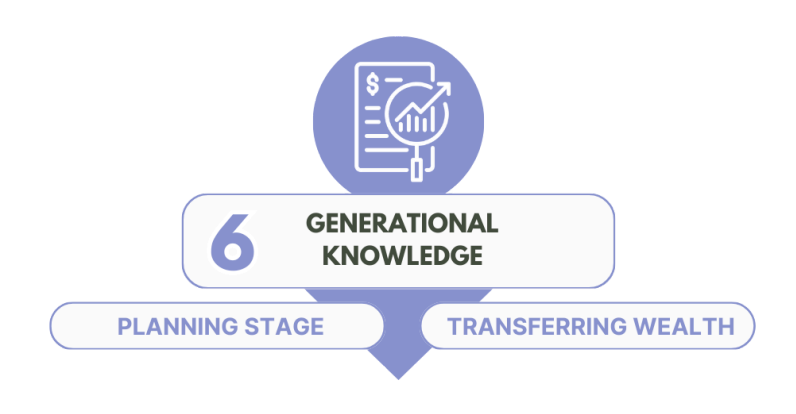
Stage 6: Generational Knowledge
Once you have established your financial well-being, you can begin planning. In this stage, you can now focus on strategically planning for transferring wealth and establishing generational wealth.
This phase is where you shift towards long-term financial planning, where the focus extends beyond your individual financial goals to include the well-being of future generations now. By implementing strategic financial planning measures, such as estate planning, life insurance, and long-term care, you ensure that your wealth is preserved and distributed in a manner that aligns with your values and aspirations.
Estate planning plays a massive role in this stage, providing a plan for the distribution of your assets after your passing. Through careful estate planning, you can minimize tax liabilities, avoid the complexities of the probate process, and ensure that your loved ones are provided for. In this stage, you can also strategically set up life insurance to serve as a vital tool in protecting your family's financial future.
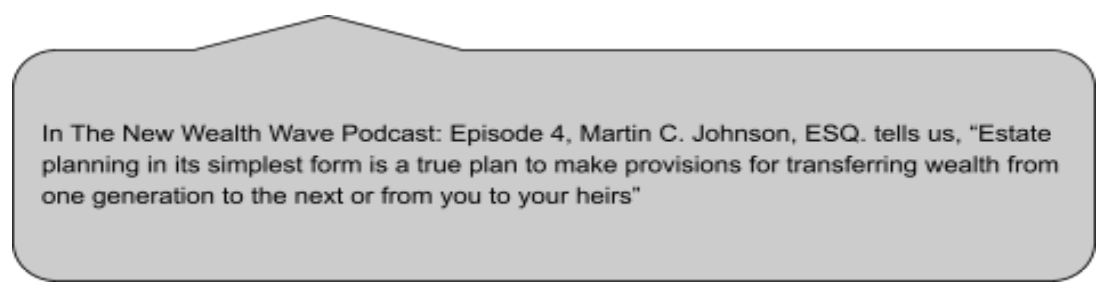
Long-term care planning is another critical part of this stage to prepare for potential healthcare needs in later stages of life. By proactively preparing for the costs associated with long-term care, you reduce the risk of depleting your assets and compromising the financial security of future generations. All of these planning strategies allow you to prepare for wealth transfer with confidence in creating generational wealth, and they must be implemented appropriately with an understanding of the previous stages.
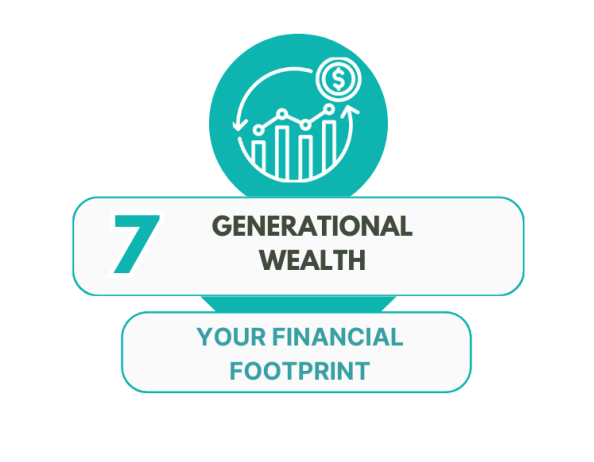
Stage 7: Generational Wealth
The seventh and final stage of the Generational Wealth Model is, by design, Generational Wealth. This is the finish line that all the effort from Stages 1-6 helps push you through. While many people want to achieve generational wealth, it’s virtually impossible without a roadmap that creates solid financial foundations to build on– and that’s why the Generational Wealth Model is a game changer for people of all financial backgrounds.
Generational wealth includes passing on assets and the knowledge, values, and principles that create individual and inter-generational financial well-being established in the previous stages. Stage 7 is when you make your financial footprint from the behavioral and strategic work completed thus far. Generational wealth combines past and present financial insights to generate prosperity and wealth for your heirs.
Conclusion
In conclusion, the Generational Wealth Model offers a systematic approach to achieving lasting financial wealth and security for future generations. By working through seven distinct stages, the model provides a roadmap for navigating your financial journey. Each stage builds upon the previous one, addressing critical aspects like your money mindset, financial genetic code, financial healing, financial edification, and planning to lay the foundation for generational wealth.
You can create financial stability for future generations using the Generational Wealth Model. It’s important to note that this model is designed to adapt to everyone and their circumstances. It is a comprehensive approach that holistically addresses your financial situation and allows you to move forward through the stages, no matter where you are.
Please take an inventory of your current stage and work with a financial professional to progress through to future stages. To learn more about the Generational Wealth Model, listen to the
New Wealth Wave Podcast or check me out below!
Want to learn more about
Dr. Joaquin Wallace and The Generational Wealth Model?
Listen to episodes with Dr. Marcia Ruben, Martin C. Johnson, ESQ., and Dasarte Yarnway.